Newsletter California Work & Family Coalition 5/28/26 Newsletter California Work & Family Coalition 5/28/26 May 2026 Newsletter Read More California Work & Family Coalition 5/27/26 California Work & Family Coalition 5/27/26 A New Chapter Begins for the California Work & Family Coalition Read More Press Release California Work & Family Coalition 5/19/26 Press Release California Work & Family Coalition 5/19/26 California Work & Family Coalition Statement on the 2026 May Revise Read More California Work & Family Coalition 4/30/26 California Work & Family Coalition 4/30/26 April 2026 Newsletter Read More Newsletter California Work & Family Coalition 3/26/26 Newsletter California Work & Family Coalition 3/26/26 March 2026 Newsletter Read More Newsletter California Work & Family Coalition 2/23/26 Newsletter California Work & Family Coalition 2/23/26 February 2026 Newsletter Read More Press Release California Work & Family Coalition 2/20/26 Press Release California Work & Family Coalition 2/20/26 Senate Bill 1149 Updates Workers’ Bereavement Leave to Include Chosen Family Read More California Work & Family Coalition 2/18/26 California Work & Family Coalition 2/18/26 About The California Work & Family Coalition - What We Do and Why It Matters Read More Newsletter California Work & Family Coalition 1/29/26 Newsletter California Work & Family Coalition 1/29/26 January Newsletter 2026 Read More Press Release California Work & Family Coalition 1/13/26 Press Release California Work & Family Coalition 1/13/26 California Work & Family Coalition Statement on the 2026 January Budget Read More Newsletter California Work & Family Coalition 12/16/25 Newsletter California Work & Family Coalition 12/16/25 December 2025 Newsletter Read More California Work & Family Coalition 12/16/25 California Work & Family Coalition 12/16/25 2025 Annual Statewide Meeting Photos Read More Newsletter California Work & Family Coalition 10/30/25 Newsletter California Work & Family Coalition 10/30/25 October 2025 Newsletter Read More Press Release California Work & Family Coalition 10/15/25 Press Release California Work & Family Coalition 10/15/25 Governor Newsom Signs SB 590, Ensuring that California Workers Can Use Paid Family Leave to Care for Chosen and Extended Family Members Read More California Work & Family Coalition 9/30/25 California Work & Family Coalition 9/30/25 September 2025 Newsletter Read More California Work & Family Coalition 8/28/25 California Work & Family Coalition 8/28/25 August 2025 Newsletter Read More California Work & Family Coalition 7/31/25 California Work & Family Coalition 7/31/25 July 2025 Newsletter Read More California Work & Family Coalition 6/27/25 California Work & Family Coalition 6/27/25 June 2025 Newsletter Read More California Work & Family Coalition 6/24/25 California Work & Family Coalition 6/24/25 We Stand In Unwavering Solidarity With Immigrant Communities Read More California Work & Family Coalition 6/24/25 California Work & Family Coalition 6/24/25 Mantenemos una solidaridad inquebrantable con los inmigrantes Read More Older Posts
Newsletter California Work & Family Coalition 5/28/26 Newsletter California Work & Family Coalition 5/28/26 May 2026 Newsletter Read More
California Work & Family Coalition 5/27/26 California Work & Family Coalition 5/27/26 A New Chapter Begins for the California Work & Family Coalition Read More
Press Release California Work & Family Coalition 5/19/26 Press Release California Work & Family Coalition 5/19/26 California Work & Family Coalition Statement on the 2026 May Revise Read More
California Work & Family Coalition 4/30/26 California Work & Family Coalition 4/30/26 April 2026 Newsletter Read More
Newsletter California Work & Family Coalition 3/26/26 Newsletter California Work & Family Coalition 3/26/26 March 2026 Newsletter Read More
Newsletter California Work & Family Coalition 2/23/26 Newsletter California Work & Family Coalition 2/23/26 February 2026 Newsletter Read More
Press Release California Work & Family Coalition 2/20/26 Press Release California Work & Family Coalition 2/20/26 Senate Bill 1149 Updates Workers’ Bereavement Leave to Include Chosen Family Read More
California Work & Family Coalition 2/18/26 California Work & Family Coalition 2/18/26 About The California Work & Family Coalition - What We Do and Why It Matters Read More
Newsletter California Work & Family Coalition 1/29/26 Newsletter California Work & Family Coalition 1/29/26 January Newsletter 2026 Read More
Press Release California Work & Family Coalition 1/13/26 Press Release California Work & Family Coalition 1/13/26 California Work & Family Coalition Statement on the 2026 January Budget Read More
Newsletter California Work & Family Coalition 12/16/25 Newsletter California Work & Family Coalition 12/16/25 December 2025 Newsletter Read More
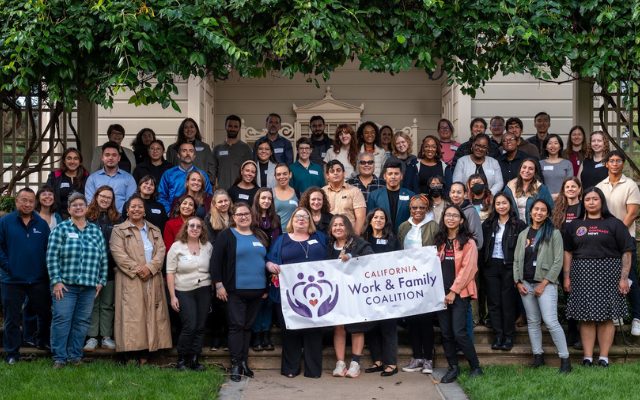
California Work & Family Coalition 12/16/25 California Work & Family Coalition 12/16/25 2025 Annual Statewide Meeting Photos Read More
Newsletter California Work & Family Coalition 10/30/25 Newsletter California Work & Family Coalition 10/30/25 October 2025 Newsletter Read More
Press Release California Work & Family Coalition 10/15/25 Press Release California Work & Family Coalition 10/15/25 Governor Newsom Signs SB 590, Ensuring that California Workers Can Use Paid Family Leave to Care for Chosen and Extended Family Members Read More
California Work & Family Coalition 9/30/25 California Work & Family Coalition 9/30/25 September 2025 Newsletter Read More
California Work & Family Coalition 8/28/25 California Work & Family Coalition 8/28/25 August 2025 Newsletter Read More
California Work & Family Coalition 7/31/25 California Work & Family Coalition 7/31/25 July 2025 Newsletter Read More
California Work & Family Coalition 6/27/25 California Work & Family Coalition 6/27/25 June 2025 Newsletter Read More
California Work & Family Coalition 6/24/25 California Work & Family Coalition 6/24/25 We Stand In Unwavering Solidarity With Immigrant Communities Read More
California Work & Family Coalition 6/24/25 California Work & Family Coalition 6/24/25 Mantenemos una solidaridad inquebrantable con los inmigrantes Read More